

You have no items in your shopping cart.


Tails
Making pet parenting easy
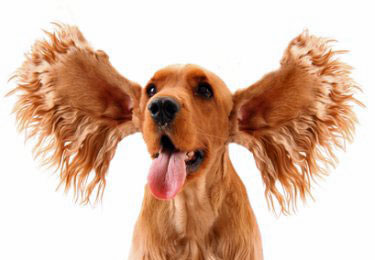
Ear Infections in Dogs
This entry was posted on 2014-07-04.
Ear infections are a common health problem in dogs, being caused by allergies, yeast, ear mites, bacteria, hair growth deep in the ear canal and more.
External ear infection (external otitis) is an ear infection of the ear canal, with approximately 80% of these infections occurring in breeds with long, dropped ears. This is related to the lack of air circulation and hence more favourable conditions for bacterial growth compared to open erect ears which are able to dry out more easily
Symptoms and Types
The symptoms to look out for if you suspect your dog of having an ear infection include:
• head shaking or head tilting
• ear odour
• vigorous scratching
• lack of balance
• unusual eye movements
• redness of the ear canal
• swelling of the ears
• coloured discharge from the ears
Causes
There are several contributory factors to the development of external ear infections. Certain breeds such as the Shar-Pei have narrow or stenotic ear canals, predisposing them to ear infections. Some breeds may be predisposed due to an abundance of hair that blocks the circulation of air. Other contributory factors may be if your dog suffers from allergic skin diseases as they are predisposed to ear infections as part of the generalized skin response or the presence of foreign bodies in your dog’s ears.
Bacterial otitis is usually caused by Staphylococci in its acute form and more commonly caused by bacteria such as Proteus or Pseudomonas in chronic infections. With bacterial ear infections, your dog is likely to have a discharge which may vary from yellow, green to brown in colour. It is also not uncommon for a number of bacteria to be involved in causing the ear infection.
Yeast or fungal ear infections can occur after antibiotic treatment for bacterial ear infections and also commonly in dogs that suffer from allergies. In these cases, discharge may be minimal but your dog may have a very red, inflamed and moist ear.
Treatment
Treatment of external ear infections aims to stop the progression of the infection to the middle ear and therefore it is important that you take your dog to a veterinarian for treatment if you suspect an ear infection. Your veterinarian may clean out your dog’s ear to better examine the ear canal and ensure that your dog’s eardrum is still intact as this will affect the treatment plan. Cleaning and drying the ear canal ensures that the environment within the ear is not suitable for the growth of bacteria as well as allowing the medication in the ear to have maximal effect.
Care at home involves medication drops for the ear that will be prescribed by your veterinarian or cleansing/flushing solutions as recommended by them. Oral antibiotics may be prescribed if the bacterial infection is severe.
For chronic ear infections that have resulted in thickening and narrowing of the ear canals and chronic pain, surgery may be recommended as a last resort to re-establish air circulation and promote drainage of the ear.
Prevention
As wet ear canals can predispose your dog to ear infections, keep water out of the ears by inserting cotton wadding into the ear canals or make sure they are dried thoroughly after bathing. Also ensure that when you groom your dog that, you do so under the ear flaps not to miss any foreign bodies that could lead to irritation and predispose to ear infections.
If your dog is professional groomed, ensure that they do not pluck hair from the ear canals as this results in serum oozing, providing a good culture medium for bacterial growth.
-
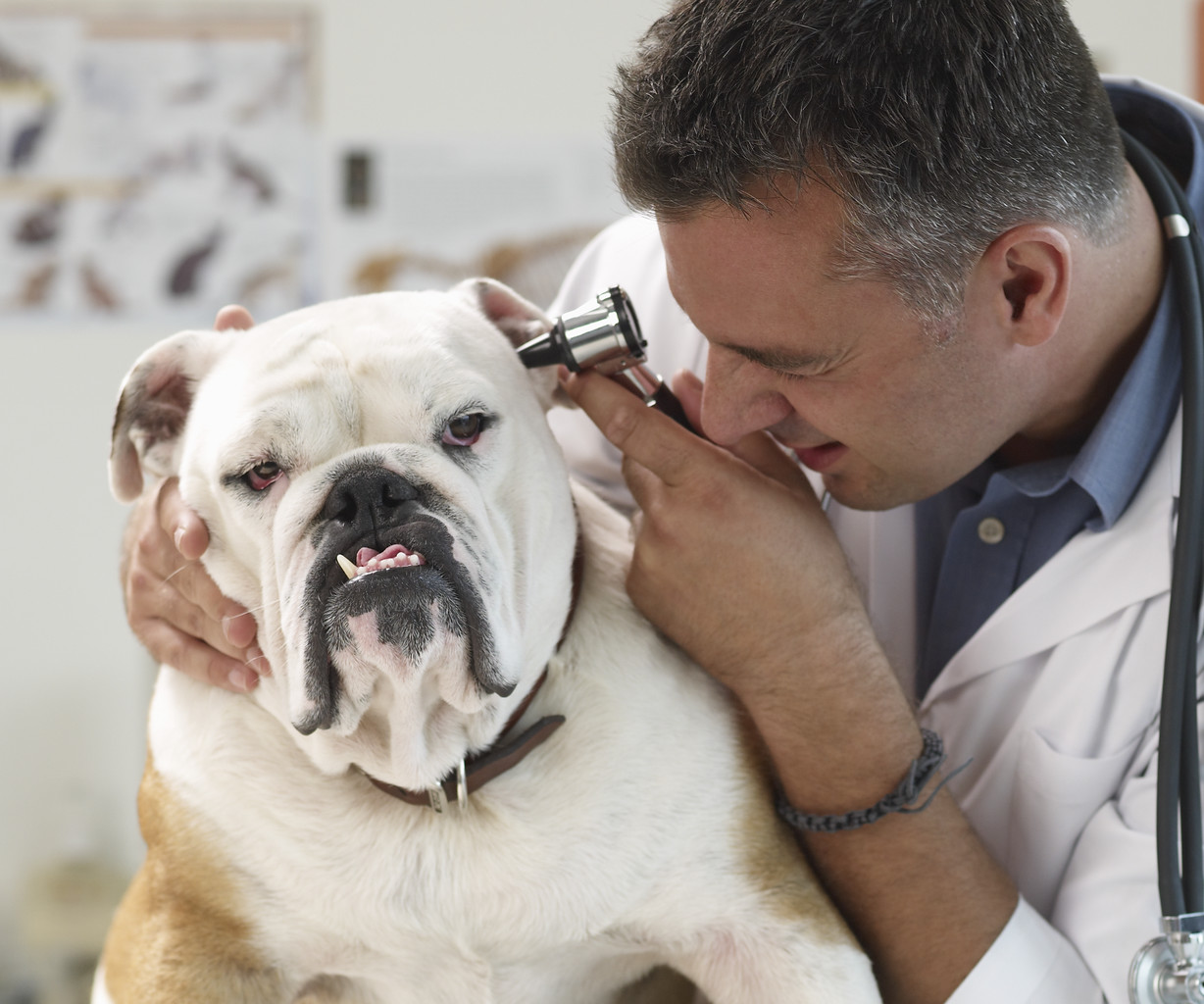
- Veterinarian Examining Bulldog --- Image by © Royalty-Free/Corbis
Living and Management
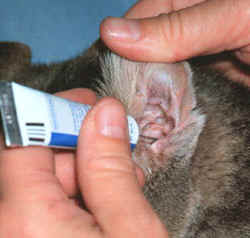
So you may be instructed to apply ear drops in the treatment of your dog’s ear infection, but how is this done?
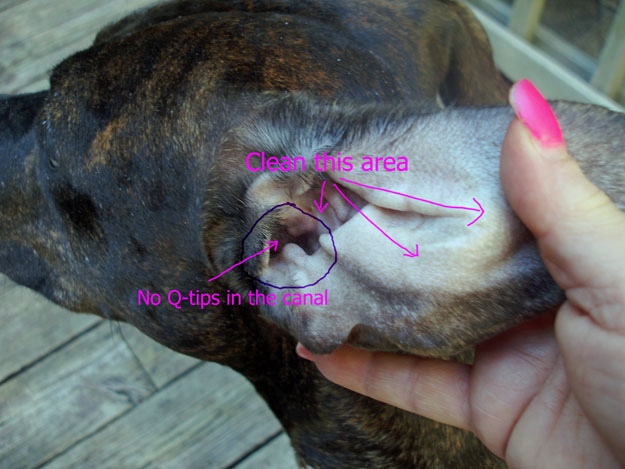
1. First important point to note is that like in people, you should never insert applicators or swabs into the ear canals blindly (only ever as far as you can see) as you may damage the ear drum or push wax further into the ear, exacerbating the problem further.
2. You will need to restrain the dog to prevent damage to the ear canal
3. Fold the ear flap over the top of the dog’s head so that you can visualise the ear canal
4. Insert the nozzle/medicine dropper into the ear canal only as far as you can see
5. Gently squeeze the number of drops as instructed by your veterinarian
6. After the drops have been placed gently massage the cartilage at the base of the ear to allow the drops to reach the deeper parts of the ear canal

